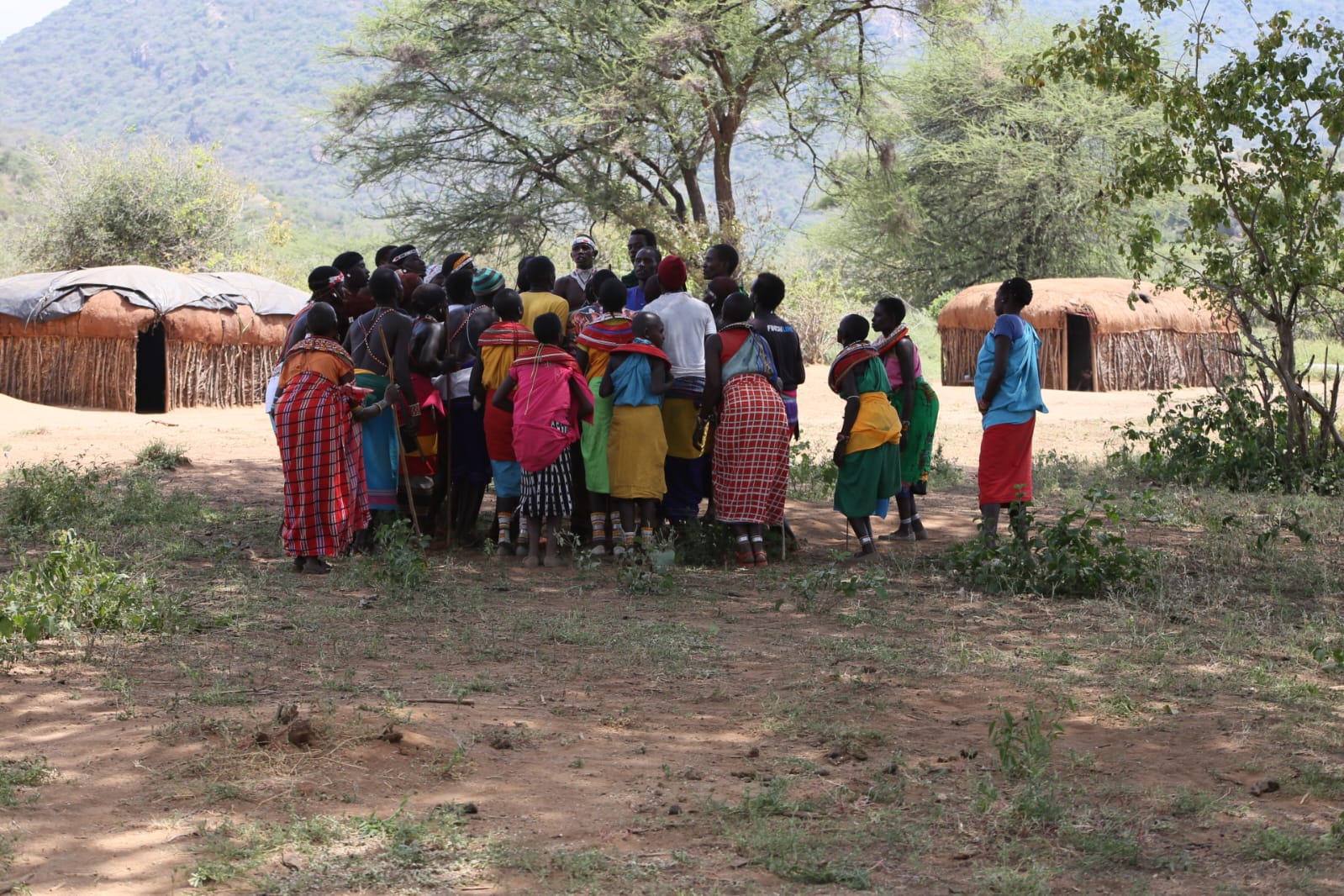
MIKIA is committed to regenerating and documenting Indigenous Knowledge and establishing Cultural Learning Centers/Cultural Schools aimed at preserving and transmitting traditional skills and knowledge.
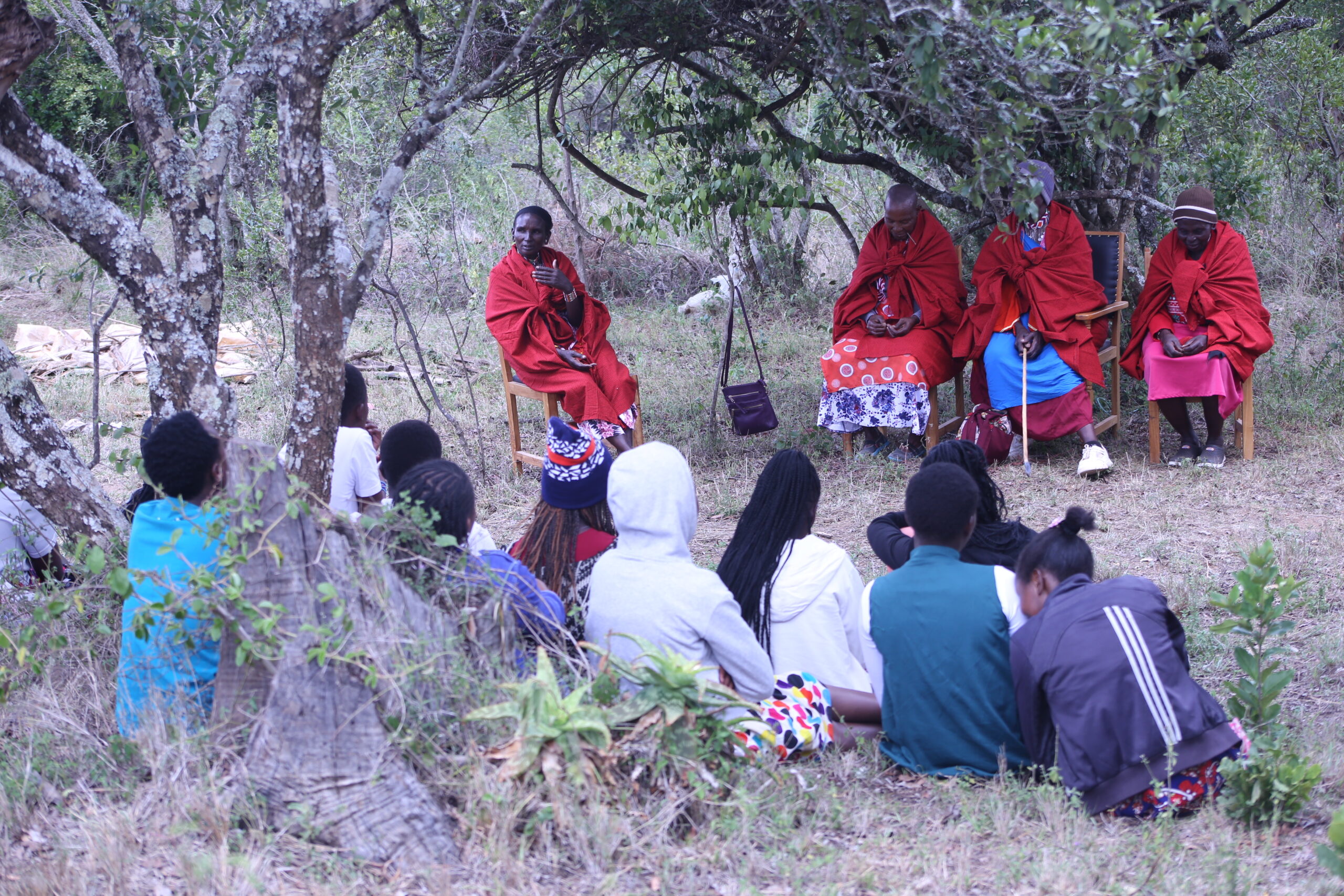
1. Intergenerational Learning;
Read More
These centers will serve as hubs for Indigenous communities to gather, learn, and practice traditional bush and nature survival skills. Through hands-on training sessions led by Indigenous Knowledge holders, community members will have the opportunity to learn essential skills passed down through generations. Additionally, these centers will serve as platforms for decolonizing approaches to human-wildlife conflicts. By incorporating Indigenous perspectives and practices, MIKIA seeks to foster a deeper understanding of coexistence with wildlife and nature, ultimately contributing to the conservation of biodiversity and the promotion of sustainable livelihoods. Through the establishment of Cultural Learning Centers/Cultural Schools, MIKIA aims to revitalize Indigenous Knowledge, promote cultural preservation, and empower Indigenous communities to actively engage in nature conservation efforts
2. Tenebo O Ng’wesi - Together with the wildlife;
The project acknowledges the occurrence of human-wildlife conflicts (HWC), triggered by threats to human or animal security, livelihoods, or habitat accessibility.
Read more
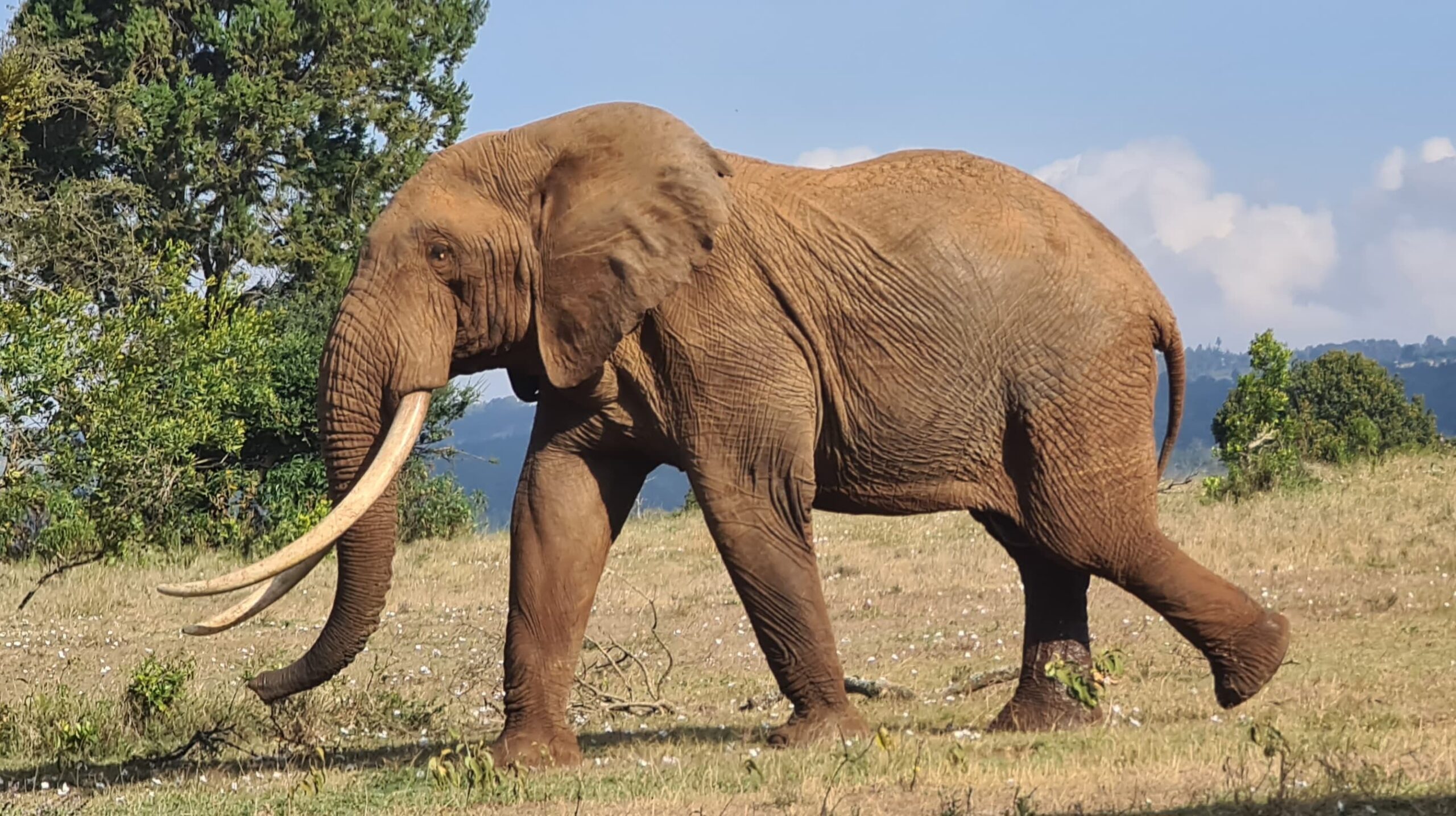
MIKIA KENYA recognizes the invaluable knowledge amassed by Indigenous Peoples coexisting with wildlife and nature. In addressing these conflicts, various approaches have been employed, often overlooking Indigenous Knowledge. MIKIA KENYA envisions a future where Indigenous Knowledge is valued, elevated and integrated with scientific methods to prevent human-wildlife conflicts, decolonizing current approaches. This is accomplished through documenting valuable Indigenous Knowledge utilized in conflict prevention, along with evidence of past conflicts and mitigation methods employed. This project is established based on community guidance and aims to address these conflicts by utilizing landscape-documented knowledge. MIKIA acknowledges that conflicts may arise despite efforts to coexist, and therefore, compensates affected communities to encourage continued cohabitation. This approach aims to reduce injuries, fatalities, and negative interactions with wildlife that pose threats to livelihoods and security. However, MIKIA does not compensate for human lives lost in these conflicts but collaborates with government authorities to find solutions and minimize conflicts.
3. Socio-economic Livelihood Empowerment;
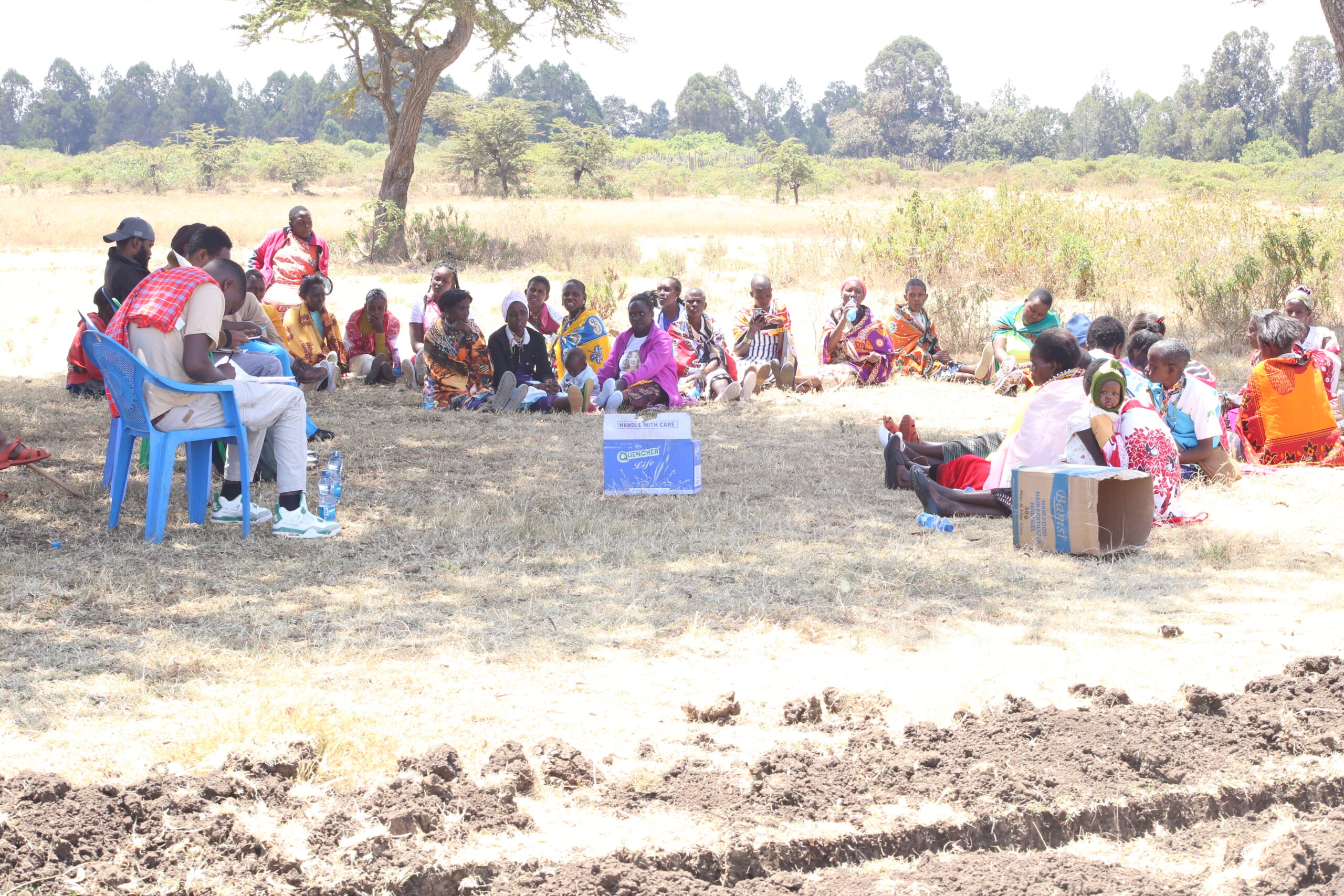
We are devoted to strengthening Indigenous Economies and Food Systems by supporting sustainable agricultural production, traditional food practices, seed conservation, cultural enterprises and eco-tourism. This creates dignified livelihoods that honor cultural heritage while advancing Indigenous communities’ resilience.
4. Research, Documentation and Reporting;
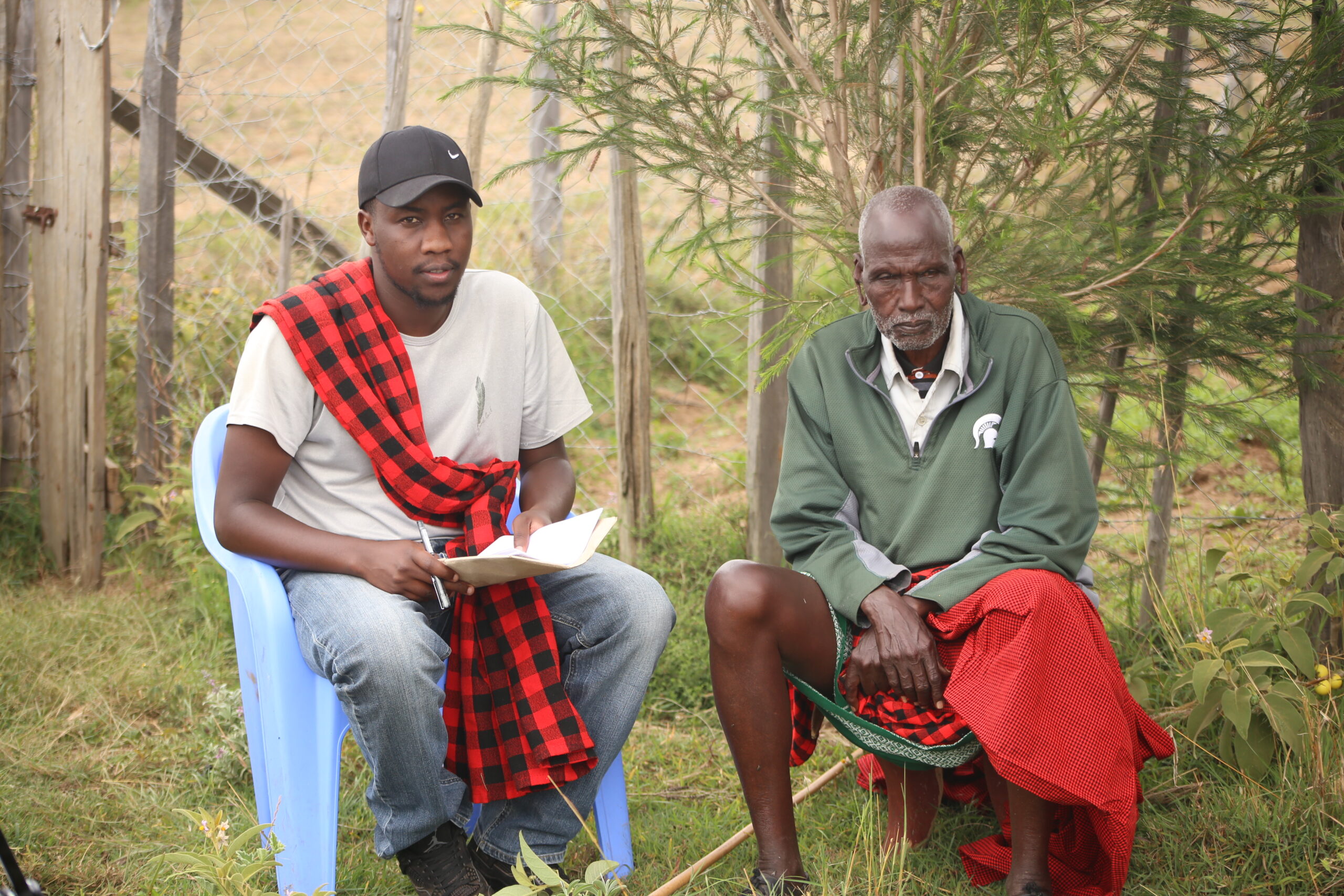
We are dedicated to conduct numerous in-depth participatory research in the landscape and beyond, as well as to systematically document Indigenous Knowledge systems, skills, practices and cultural heritage, while accurately reporting findings to inform policy making and sustainable community development.
5. Communications;
MIKIA KENYA is founded on the belief that Indigenous Knowledge belongs to the Indigenous Peoples. We document Indigenous Knowledge and communicate it to the society which it belongs to. As an Indigenous Peoples organization, we are committed to employing viable communication tools to see to it that Indigenous Knowledge is preserved for the future. Our communication is society-driven, facilitated by us